What is a standalone BESS and when is it a good investment?
Today, BESS solutions are increasingly being viewed as standalone energy projects, where the value lies not only in storing energy, but in flexibility itself.
The evolution of electricity markets has created a situation where the ability to store, use, and dispatch energy at the right moment is becoming increasingly important. This is exactly where standalone BESS solutions become especially valuable.
WHAT IS A STANDALONE BESS?
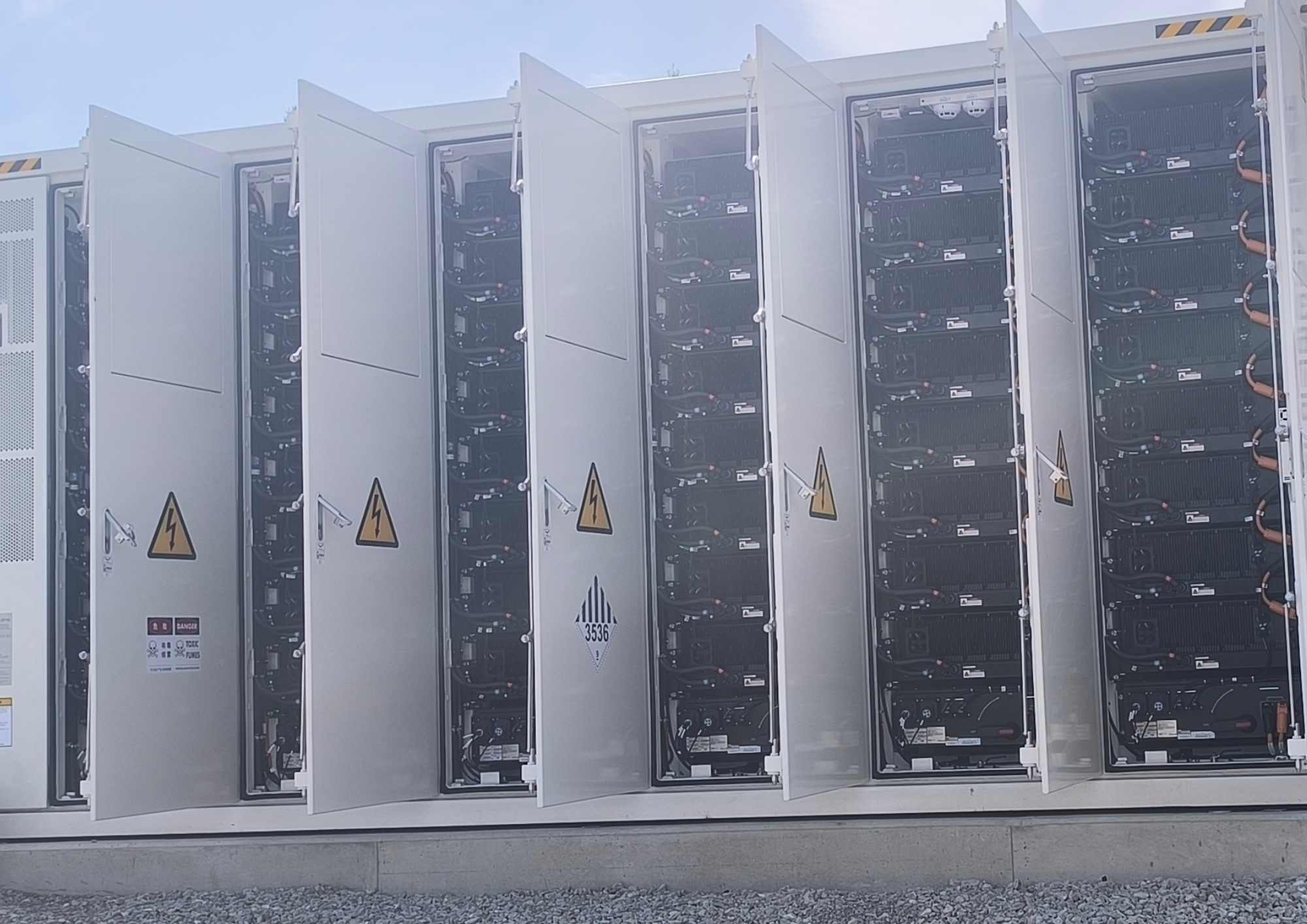
A BESS (Battery Energy Storage System) is an energy storage system that allows electricity to be stored and later used when needed. A standalone BESS operates independently from generation assets such as solar or wind. It is connected directly to the grid and can charge from grid electricity.
A standalone BESS can charge directly from the grid and operate according to:
• electricity price fluctuations
• grid requirements
• frequency market conditions
• energy consumption management needs
WHY ARE BESS SOLUTIONS RECEIVING MORE ATTENTION?
Energy markets are moving toward greater flexibility.
As renewable energy production increases, grid loads and generation patterns become more variable. In this environment, the ability to rapidly store and dispatch energy becomes increasingly valuable.
This creates opportunities for:
• electricity market participation
• frequency reserve services
• energy cost optimization
• supporting grid stability
In other words, value is no longer created only through electricity generation, but also through system flexibility.
KEY BENEFITS OF STANDALONE BESS
1) Smaller Land Requirement
Compared to large production parks, BESS projects often require significantly less space.
This makes it possible to:
• utilize smaller land areas
• develop projects near industrial sites
• integrate systems into existing infrastructure
For some projects, this can be a decisive advantage.
2) Ability to Participate in Electricity Markets
A standalone BESS allows flexible participation in electricity markets.
The system can:
• charge during lower-price periods
• discharge during higher-price periods
• participate in frequency markets
• provide grid balancing services
This means the business logic of BESS projects is not dependent solely on energy production volumes.
3) Fast Response Capability
One of the biggest advantages of energy storage systems is their response speed.
BESS systems can react to grid fluctuations almost instantly, making them an increasingly important part of modern energy infrastructure.
4) As a electricity backup asset
This was once upon a time one of the main roles that battery systems had. Today this role is not lost and its still being fulfilled in locations where electricity restrictions are frequent.
WHEN DOES A STANDALONE BESS MAKE THE MOST SENSE?
A standalone BESS is especially suitable for projects where:
• the goal is electricity market participation
• flexibility is a priority
• availability of land is limited
• uninterrupted electricity supply is important
Not every project necessarily requires a solar park.
In some cases, the storage solution itself may become the primary value-generating asset.
THE FUTURE OF ENERGY MEANS MORE THAN GENERATION
The energy market is changing rapidly.
While the focus used to be mainly on how much electricity could be produced, today increasing importance is placed on:
• when energy is used
• how energy is managed
• how systems react to market conditions
• how more flexible energy infrastructure is created
As a result, BESS solutions are increasingly being viewed not as supporting equipment, but as standalone energy infrastructure with a rapidly growing role in modern electricity markets.